Latest | Homepage Articles

Cyber Security Jobs: They Pay More Than You Think
a placeholder text commonly used in publishing and graphic design to demonstrate the visual form of a document or typeface without relying on meaningful content a placeholder text commonly used in publishing and graphic design to demonstrate the visual form of a document or typeface without relying on meaningful content a placeholder text commonly used in publishing and graphic design to demonstrate the visual form of a document or typeface without relying on meaningful content a placeholder text commonly used in publishing and graphic design to demonstrate the visual form of a document or typeface without relying on meaningful content a placeholder text commonly used in publishing and graphic design to demonstrate the visual form of a document or typeface without relying on meaningful content
Updated: November 20, 2024 | Jason Miller

Supporting Your Health & Wellbeing in Pregnancy
Your Body Needs Fuel, Not a DietPregnancy isn’t the time for restrictive eating. Your body is growing a human—it needs whole foods rich in protein, healthy fats, and fiber. Proper hydration and balanced meals make a difference in energy and mood.Sleep, Stress, and MovementPrenatal yoga, swimming, and walking are low-impact options that support both physical and mental well-being. Managing stress through breathwork and mindfulness benefits both you and the baby.The Myth of “Eating for Two”You don’t need double the calories, just double the nutrients. Focus on nutrient-dense foods that fuel both you and your growing baby.Listening to Your BodyEvery pregnancy is different. Some women feel great working out, while others need more rest. The key is tuning in to your body's signals and adjusting accordingly.
Updated: February 26, 2025 | Lauren Mitchell

Backyard Fence: Creating Privacy and Charm in Your Outdoor Space
Why a Backyard Fence MattersA backyard fence is more than just a boundary—it’s an essential element that adds privacy, security, and style to your outdoor space. Whether you’re enjoying a quiet morning coffee, hosting a barbecue with friends, or letting kids and pets roam freely, a well-chosen fence enhances both function and aesthetics. From sleek modern designs to rustic classics, a backyard fence can transform your yard into a private oasis that reflects your personality and meets your needs.Choosing the Right Fence for Your SpaceWhen selecting a fence, it’s essential to balance your priorities, such as privacy, durability, and design. Wooden fences are a timeless choice, offering warmth and natural charm. They can be painted or stained to match your style but require regular maintenance to prevent weather damage. For a low-maintenance alternative, vinyl fences provide the look of wood without the upkeep, and they resist fading and cracking.Metal fences, such as aluminum or wrought iron, are perfect for homeowners seeking a modern and durable option. They’re highly resistant to the elements and add a sleek, upscale look to your yard. If privacy is your top concern, consider a tall board-on-board fence or bamboo panels, which block sightlines and noise while adding a touch of elegance. Finally, chain-link fences are affordable and practical for security, especially when paired with climbing plants for added greenery and charm.Enhancing Your Fence with Creative IdeasA fence doesn’t have to be purely functional—it can also serve as a design statement. Add charm by incorporating decorative elements like lattice panels, post caps, or built-in planters. Stringing fairy lights along the top of the fence creates a cozy ambiance for evening gatherings. If you love greenery, train climbing plants like ivy, jasmine, or wisteria to grow along the fence, transforming it into a living wall that adds natural beauty and fragrance.For a personal touch, consider painting your fence in bold colors or using patterns to reflect your personality. Installing shelves or hooks can turn your fence into a vertical garden or a storage area for outdoor tools and decorations. With a little creativity, your fence can become a standout feature that elevates your backyard’s overall appeal.Tips for Installing and Maintaining Your FenceBefore installing a fence, check local regulations and property boundaries to avoid disputes with neighbors. Consider hiring a professional for larger or more complex projects to ensure stability and longevity. After installation, regular maintenance is key to keeping your fence looking its best. Wooden fences should be sealed or painted every few years, while vinyl and metal fences require only occasional cleaning with soap and water. For living fences, like hedges or bamboo, regular trimming will keep them tidy and healthy.By choosing the right materials, adding creative touches, and maintaining your fence, you can create an outdoor space that’s private, secure, and full of charm. A well-thought-out fence doesn’t just define your yard—it transforms it into a welcoming and functional retreat.
Updated: November 20, 2024 | Sophia Reed

House Roof: an Essential Shield for Your Home
The Importance of Your Home’s RoofYour roof is more than just a structure—it’s the first line of defense against the elements, protecting your home and everything inside it. From keeping out rain and snow to insulating against heat and cold, a well-maintained roof ensures your home remains safe, energy-efficient, and comfortable. Despite its critical role, many homeowners overlook the importance of their roof until issues arise. Understanding how your roof works and maintaining it regularly can save you money and stress in the long run.Types of Roofs and Their Unique BenefitsWhen it comes to roofs, one size doesn’t fit all. Different roofing materials and styles offer unique benefits, and the best choice depends on factors like your location, budget, and aesthetic preferences. Asphalt shingles are the most common choice in residential roofing due to their affordability and durability. Metal roofs, while more expensive upfront, offer exceptional longevity and energy efficiency, making them ideal for homes in areas with extreme weather.Tile roofs provide a timeless look and are particularly suited for warmer climates, as they reflect sunlight and keep interiors cool. For a modern touch, flat or green roofs allow for additional functionality, such as creating outdoor spaces or reducing environmental impact. By selecting the right material and design, you can ensure your roof not only protects but enhances your home’s value and appearance.Warning Signs That Your Roof Needs AttentionEven the sturdiest roofs require maintenance and occasional repairs. Ignoring warning signs like missing shingles, water stains on ceilings, or sagging areas can lead to costly damage over time. Other indicators, such as granules in your gutters, cracked flashing, or light shining through the attic, may signal the need for immediate repairs or replacement. Regular inspections—especially after storms—can help catch problems early, extending the lifespan of your roof and protecting your home from more serious issues like leaks or structural damage.Tips for Maintaining and Prolonging Roof LifeCaring for your roof doesn’t have to be complicated, but consistency is key. Start with routine inspections twice a year—once in the spring and again in the fall. Clear debris like leaves and branches, as they can trap moisture and lead to rot. Ensure your gutters and downspouts are clean and functional, as clogged drainage can damage your roof’s integrity. For additional protection, consider installing a roof coating to guard against weather and UV damage.Hiring a professional roofing contractor for regular maintenance and repairs is always a good idea, especially for tasks like replacing shingles or fixing flashing. Investing in small fixes today can prevent larger, more expensive problems tomorrow. By prioritizing your roof’s care, you’ll not only protect your home but also increase its longevity and value.
Updated: November 20, 2024 | Laura Bennett

Tips for Breastfeeding Back Pain
Why Breastfeeding Wreaks Havoc on Your BackBreastfeeding may be natural, but that doesn’t mean it’s effortless. Holding your baby in awkward positions for hours can lead to chronic back pain. The constant forward lean, tense shoulders, and lack of proper support can make daily nursing sessions physically exhausting.Support is KeyInvest in an ergonomic chair or propping pillows under your arms to avoid slouching. Sitting cross-legged on the couch for hours? That’s a surefire way to create lower back tension. Adjusting posture early on can prevent long-term damage.Strengthening the Right MusclesPostural exercises, like spinal stretches and core stabilization, help counteract breastfeeding-related strain. Strengthening the upper back and maintaining a neutral spine while feeding can make a world of difference. Even five minutes of stretching a day can alleviate tension.Why Small Adjustments MatterSimple changes—like adjusting chair height, switching positions, or even using a different nursing pillow—can prevent serious pain down the road. Breastfeeding should be a bonding experience, not a source of chronic discomfort.
Updated: February 24, 2025 | Vanessa Clarke

Macular Degeneration: Early Detection and Effective Treatment
What is Macular Degeneration?Macular degeneration, or age-related macular degeneration (AMD), is a leading cause of vision loss, particularly in people over 50. This condition affects the macula, the central part of the retina responsible for sharp and detailed vision. Over time, it can make activities like reading, driving, and recognizing faces more challenging. Macular degeneration comes in two forms: dry AMD, which progresses gradually, and wet AMD, which is less common but more severe. Understanding this condition is the first step toward managing it effectively and preserving your quality of life.Signs and Symptoms to Watch ForThe early stages of macular degeneration often come with subtle changes in vision that can be easy to overlook. Common symptoms include blurred or distorted central vision, difficulty seeing in low light, and the appearance of blank or dark spots in the middle of your visual field. Straight lines may appear wavy, and colors may seem less vibrant.Because the disease progresses differently for everyone, regular eye exams are crucial for detecting AMD early. Advanced imaging tools like optical coherence tomography (OCT) and retinal photography allow eye care professionals to spot early signs of damage before noticeable symptoms arise. Early detection can make a significant difference in treatment outcomes.Treatment Options for Macular DegenerationWhile there is no cure for macular degeneration, treatments are available to slow its progression and manage symptoms. For dry AMD, lifestyle changes like eating a diet rich in leafy greens, fish, and antioxidants, as well as taking specific vitamin supplements (AREDS2), can help protect the macula. Quitting smoking and wearing UV-protective sunglasses also play a critical role in preserving vision.For wet AMD, advanced treatments like anti-VEGF injections are highly effective in slowing or halting vision loss. These medications reduce the growth of abnormal blood vessels in the retina and can even improve vision in some cases. Other options include laser therapies and photodynamic therapy, depending on the severity of the condition. Discussing treatment options with your eye care provider ensures you receive a plan tailored to your needs.Living Well with Macular DegenerationA macular degeneration diagnosis doesn’t mean giving up on an active and fulfilling life. Tools like magnifiers, specialized reading devices, and screen enlargement software can help you adapt to changes in vision. Joining support groups or connecting with organizations focused on low vision resources can also provide emotional support and practical tips.Regular eye checkups remain essential for monitoring progression and adjusting treatments as needed. By staying informed, embracing a healthy lifestyle, and using available resources, you can effectively manage macular degeneration and continue enjoying your favorite activities.
Updated: December 8, 2024 | James Whitaker

The Hidden Impact Of Chronic Stress on Women's Metabolism
How Stress Messes with Your MetabolismFeeling like your metabolism isn’t what it used to be? Chronic stress could be the culprit. Long-term stress raises cortisol levels, which can lead to weight gain (especially around the midsection), blood sugar imbalances, and stubborn fatigue.Why It’s Harder to Lose Weight Under StressWhen your body is constantly in fight-or-flight mode, it prioritizes survival over weight loss. That means higher cravings for sugar, increased fat storage, and disrupted digestion. Stress literally changes how your body processes food.The Role of Sleep and Cortisol RegulationPoor sleep makes everything worse. If you’re not getting quality rest, cortisol stays elevated, making it even harder to regulate metabolism. Prioritizing sleep hygiene, reducing blue light exposure at night, and sticking to a sleep schedule can help.Small Changes That Make a Big ImpactYou can’t eliminate stress completely, but you can manage how your body responds to it. Strength training, deep breathing exercises, and cutting back on caffeine all support metabolic function. It’s not just about diet and exercise—it’s about managing stress, too.
Updated: February 10, 2025 | Caroline Miller

The Medical Gender Gap: Why Women’s Pain Is Often Dismissed
Why Women Aren’t Taken Seriously in HealthcareToo many women leave doctor’s offices feeling unheard. Studies show that women’s pain is frequently dismissed, misdiagnosed, or labeled as anxiety. Whether it’s endometriosis, fibromyalgia, or heart disease, women’s symptoms often go overlooked for years.The History of Women Being Ignored in MedicineFor centuries, women’s pain was chalked up to “hysteria.” Even today, research into conditions that primarily affect women—like autoimmune diseases and chronic pain disorders—is underfunded. Women are more likely to be prescribed antidepressants than proper medical treatment.How to Advocate for YourselfIf a doctor isn’t listening, push back. Ask for second opinions. Request specific tests. Take notes on symptoms and demand answers. Your health isn’t “just stress,” and you deserve real care.Change Starts With AwarenessMedical bias won’t change overnight, but awareness is the first step. More women are speaking out, sharing their stories, and demanding research that prioritizes their health. The more we advocate, the more the system has to listen.
Updated: February 10, 2025 | Laura Whitmore

What ‘dense Breast Tissue’ Means for Your Health
What Exactly Is Dense Breast Tissue?Breast density has nothing to do with size or firmness. It refers to the composition of glandular and fibrous tissue versus fat. Women with dense breasts have less fat and more connective tissue, making mammogram results harder to read.Why It Matters for Breast Cancer ScreeningDense breast tissue increases cancer risk and makes it harder to detect tumors on a mammogram. This is why some doctors recommend supplemental screening, like ultrasound or MRI, for women with high density.Should You Be Concerned?Not all dense breast tissue means trouble, but it’s important to stay informed. Ask your doctor about your breast density and whether additional screening is necessary—early detection is key.How to Advocate for YourselfMany women don’t know their breast density until they ask. If you have a family history of breast cancer or additional risk factors, push for further testing. Your health is worth the extra effort.
Updated: February 10, 2025 | Olivia Benson

Test Adsense Cascade
Updated: December 11, 2024 | Laura Bennett
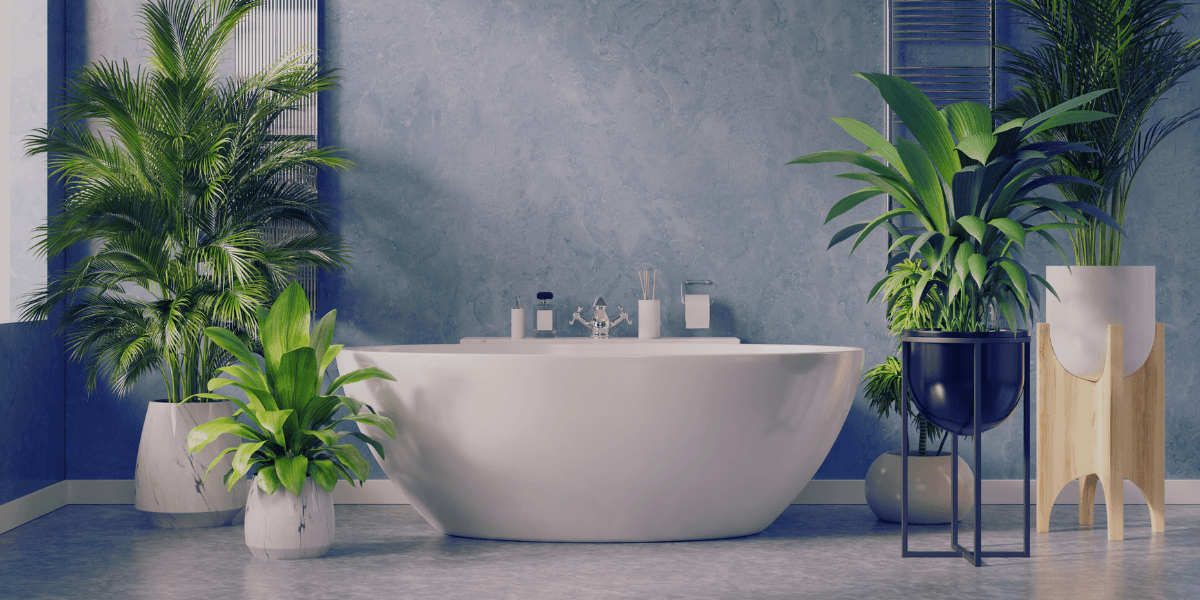
Revamp Your Bathroom: Fresh Design Ideas for a Modern Touch
Why Your Bathroom Deserves a MakeoverThe bathroom is often overlooked when it comes to home design, but it’s one of the most important spaces in your home. It’s where you start and end your day, making it a key part of your daily routine. A bathroom that’s functional and visually appealing can elevate your entire living experience. Whether you’re dreaming of a spa-like retreat or a sleek modern update, revamping your bathroom can bring new energy and value to your home. Trending Bathroom Design IdeasDesign trends are constantly evolving, and bathrooms are no exception. One of the biggest trends is creating a minimalist space with clean lines, natural materials, and neutral tones. Think floating vanities, frameless glass shower doors, and earthy textures like stone and wood. Statement tiles are also making waves, with bold patterns and colors turning ordinary walls and floors into works of art.Another popular trend is adding smart features, such as touchless faucets, LED mirrors with built-in lighting, and even heated floors for ultimate comfort. For those looking to incorporate sustainability, consider water-saving fixtures and recycled materials for an eco-friendly upgrade. No matter your style, blending functionality with aesthetics is key to creating a space you’ll love.Budget-Friendly Tips to Transform Your SpaceYou don’t need to break the bank to give your bathroom a fresh new look. Small changes can make a big impact. Start with a fresh coat of paint to brighten the space—soft blues, greens, or whites work well for a calming vibe. Swap out outdated hardware like faucets, drawer pulls, and towel racks for modern finishes like matte black, brushed gold, or polished chrome.Lighting is another easy upgrade that can transform the atmosphere. Consider adding a statement light fixture or replacing harsh overhead lighting with soft, layered illumination. Adding plants, artwork, or stylish storage solutions can inject personality into your bathroom without requiring a full renovation. These small updates can breathe life into your bathroom and make it feel brand new.Planning Your Perfect Bathroom MakeoverBefore diving into a bathroom revamp, take the time to plan. Start by assessing your current space—what works, and what doesn’t? Create a vision board with design elements you love, and prioritize the updates that will have the biggest impact. If you’re tackling a full renovation, consulting with a professional designer can help bring your ideas to life while staying on budget.Whether you go big or small, remember that a well-designed bathroom isn’t just about looks; it’s about creating a space that improves your daily life. With thoughtful planning and creativity, you can turn your bathroom into a personal sanctuary that reflects your style and meets your needs.
Updated: January 13, 2025 | Sophia Reed

Understanding Credit Cards: a Simple Guide to Smart Spending
Updated: December 12, 2024 | David Harper

The Link Between Gut Health and Mental Health Every Woman Should Know
Updated: February 10, 2025 | Natalie Foster

Skin Tightening Treatments: the Path to a Youthful Glow
Updated: December 16, 2024 | Melissa Carter

What to Expect After a C-section
Updated: February 16, 2025 | Charlotte Greene

Cyber Security Jobs: They Pay More Than You Think
Updated: November 20, 2024 | Jason Miller

Supporting Your Health & Wellbeing in Pregnancy
Updated: February 26, 2025 | Lauren Mitchell

Backyard Fence: Creating Privacy and Charm in Your Outdoor Space
Updated: November 20, 2024 | Sophia Reed

House Roof: an Essential Shield for Your Home
Updated: November 20, 2024 | Laura Bennett

Tips for Breastfeeding Back Pain
Updated: February 24, 2025 | Vanessa Clarke

Macular Degeneration: Early Detection and Effective Treatment
Updated: December 8, 2024 | James Whitaker

The Hidden Impact Of Chronic Stress on Women's Metabolism
Updated: February 10, 2025 | Caroline Miller

The Medical Gender Gap: Why Women’s Pain Is Often Dismissed
Updated: February 10, 2025 | Laura Whitmore

What ‘dense Breast Tissue’ Means for Your Health
Updated: February 10, 2025 | Olivia Benson

Test Adsense Cascade
Updated: December 11, 2024 | Laura Bennett
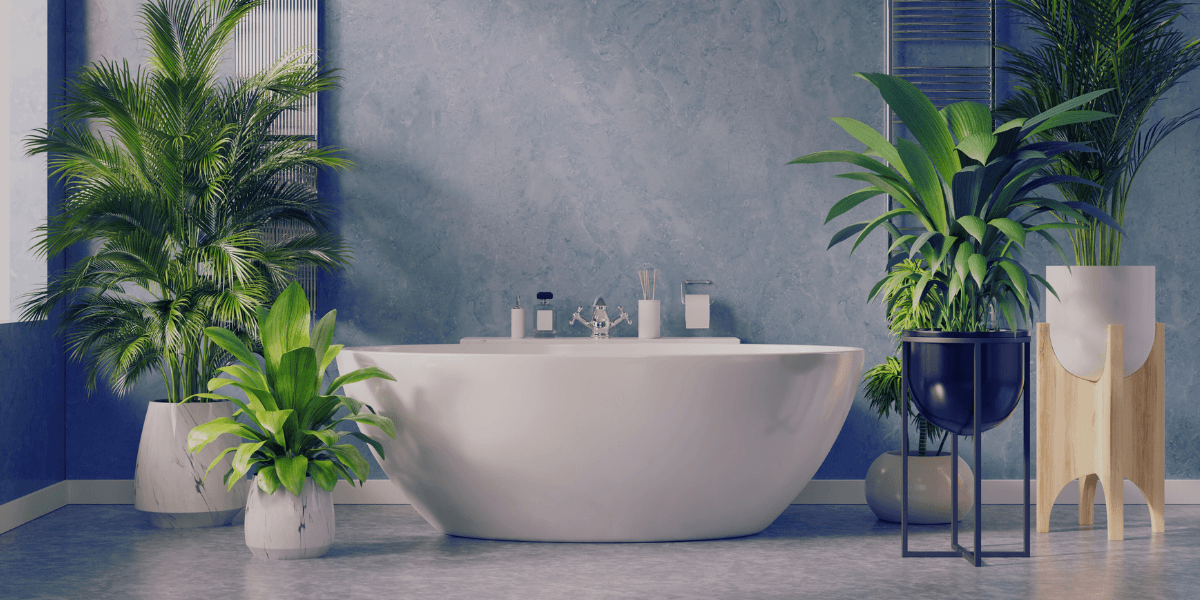
Revamp Your Bathroom: Fresh Design Ideas for a Modern Touch
Updated: January 13, 2025 | Sophia Reed
Understanding Credit Cards: a Simple Guide to Smart Spending
Updated: December 12, 2024 | David Harper
The Link Between Gut Health and Mental Health Every Woman Should Know
Updated: February 10, 2025 | Natalie Foster
Skin Tightening Treatments: the Path to a Youthful Glow
Updated: December 16, 2024 | Melissa Carter
What to Expect After a C-section
Updated: February 16, 2025 | Charlotte Greene