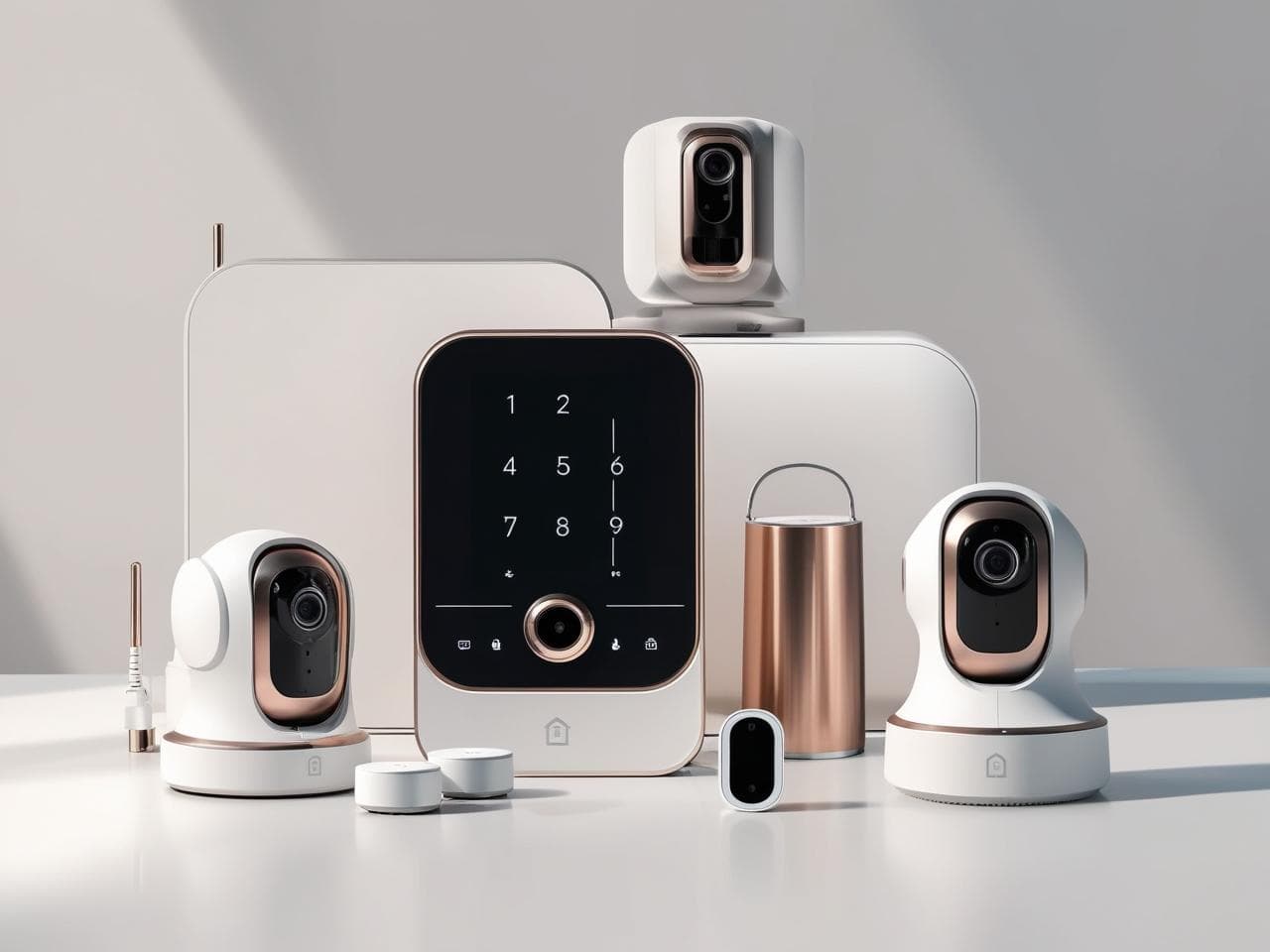
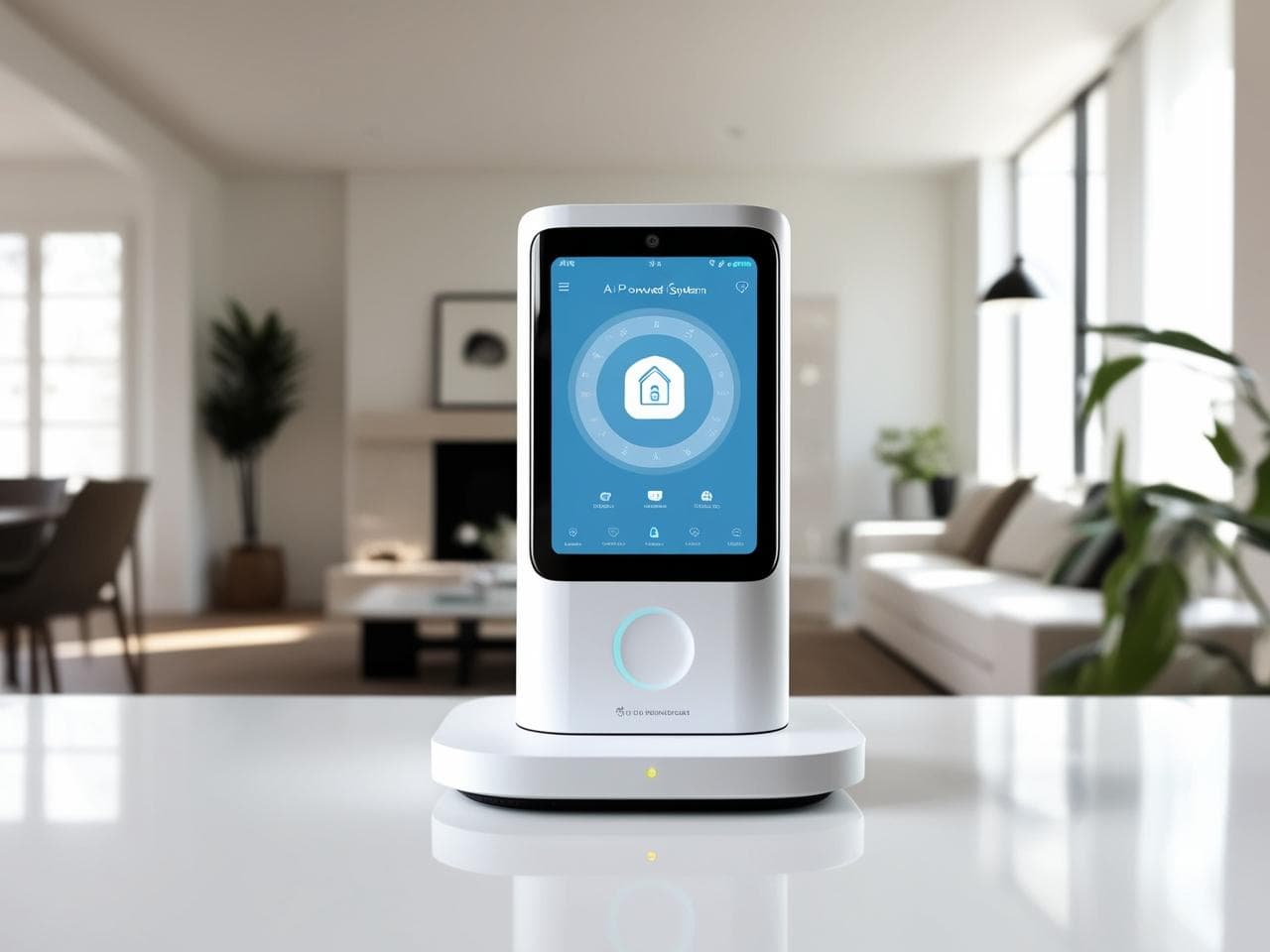
1. The AI Revolution in Home SurveillanceModern AI-powered security cameras can differentiate between people, animals, and objects, reducing false alarms. Some models even feature real-time facial recognition, helping homeowners quickly identify visitors or potential intruders.
2. Privacy vs. Protection: The Debate Over 24/7 Monitoring
While always-on surveillance helps deter crime, it also raises concerns about data privacy and potential hacking risks. Many smart security cameras store footage in the cloud, meaning third-party companies may have access to personal video recordings.
3. DIY vs. Professional Security Systems: Which is Better?
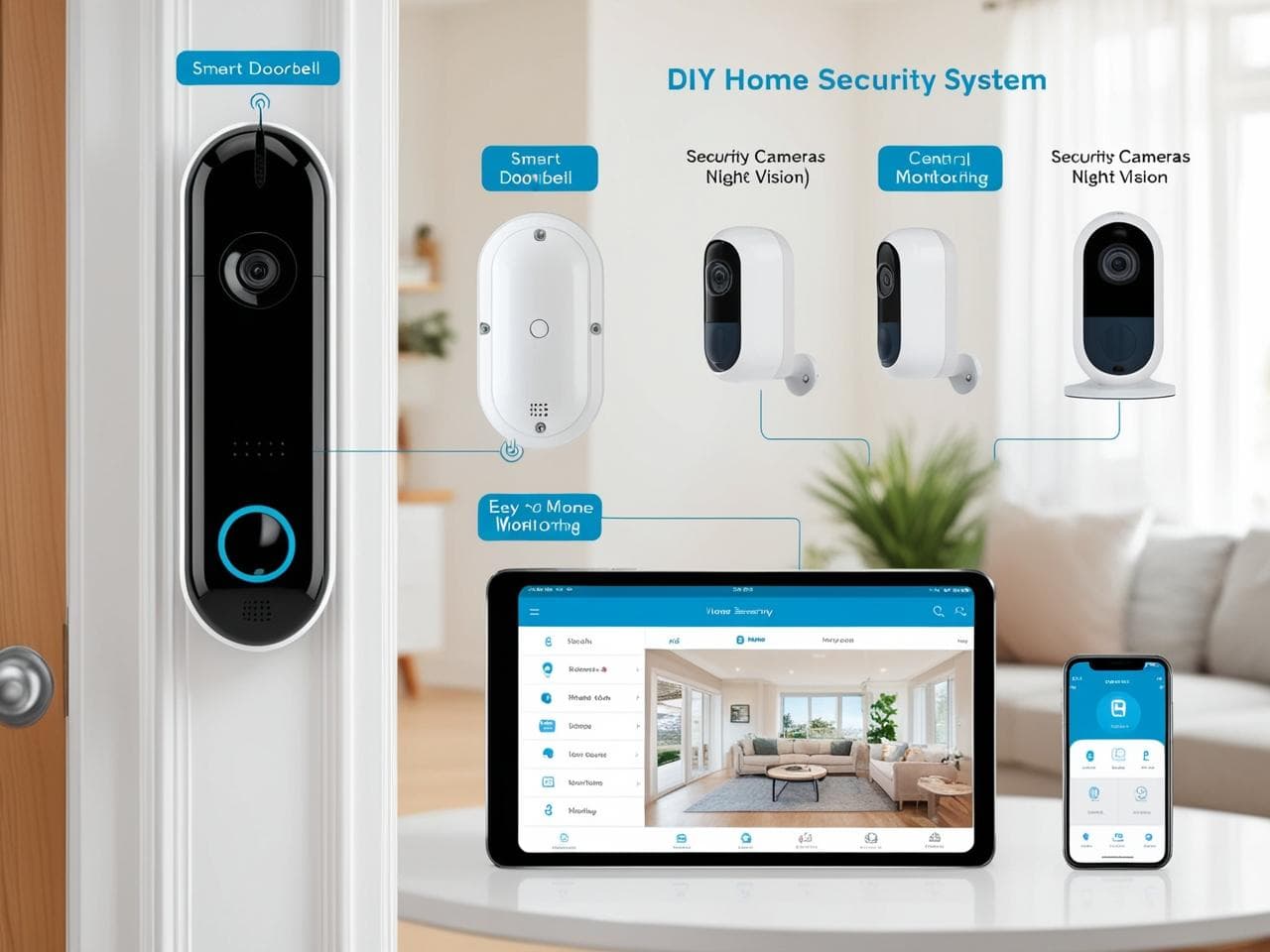
DIY security systems like Ring and Google Nest allow easy installation and remote monitoring, while professional systems provide 24/7 monitoring services. Homeowners must decide between affordability and reliability when choosing a system.
4. Indoor vs. Outdoor Cameras: What’s Best for Your Home?
While video doorbells and indoor cameras provide convenience, outdoor cameras with motion-activated floodlights offer better perimeter security. Some smart surveillance systems even allow integration with police departments for faster emergency response.
5. The Future of AI Security: Predicting Crime Before It Happens
Companies are working on predictive analytics in home security systems, which use AI to detect suspicious patterns before a crime occurs. While this technology is still developing, it could change the way we prevent home intrusions.
Related Search Terms: