
Alcohol and Hormones: A Bad Mix
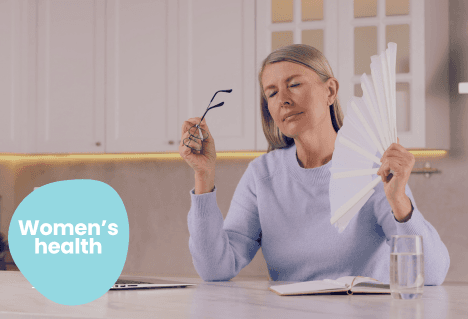
Menopause already brings hot flashes, disrupted sleep, and mood swings—alcohol makes it worse. Drinking affects estrogen levels, worsens night sweats, and throws off your body’s natural rhythm.
Your Gut Needs the Right Fuel
Feeling bloated, nauseous, or just off? Certain foods can calm your stomach while others make things worse. Knowing the difference is key.
What to Eat When You Feel Sick
Ginger, fennel, peppermint, and probiotic-rich yogurt help with digestion. Bone broth and lightly cooked vegetables can also work wonders when your stomach feels sensitive.
Foods to Avoid
Dairy, caffeine, and fried foods can irritate your gut. Instead, stick to plain, easy-to-digest meals like toast, rice, and bananas. Hydration is also crucial.
A 24-Hour Reset for Your Gut
If your stomach feels off, simplify your diet for a day. Start with herbal tea and toast in the morning, a vegetable broth-based lunch, and a simple baked sweet potato for dinner. Your gut will thank you.
Better Sleep, Better Skin, Better Mood
Even cutting back a little can lead to deeper sleep, clearer skin, and fewer energy crashes. The body metabolizes alcohol differently post-menopause, meaning those two glasses of wine hit harder than they used to.
The Social Factor: Finding Alternatives
Cutting alcohol doesn’t mean missing out. Non-alcoholic wines, botanical cocktails, or sparkling water with a twist can still make happy hour feel special. It’s about the ritual, not the buzz.
Small Changes, Big Impact
You don’t need to quit entirely—reducing your intake can still improve symptoms. Start with alcohol-free days or switching to lower-alcohol options. Your body (and mind) will thank you.