Discover | Latest Articles

House Roof: an Essential Shield for Your Home
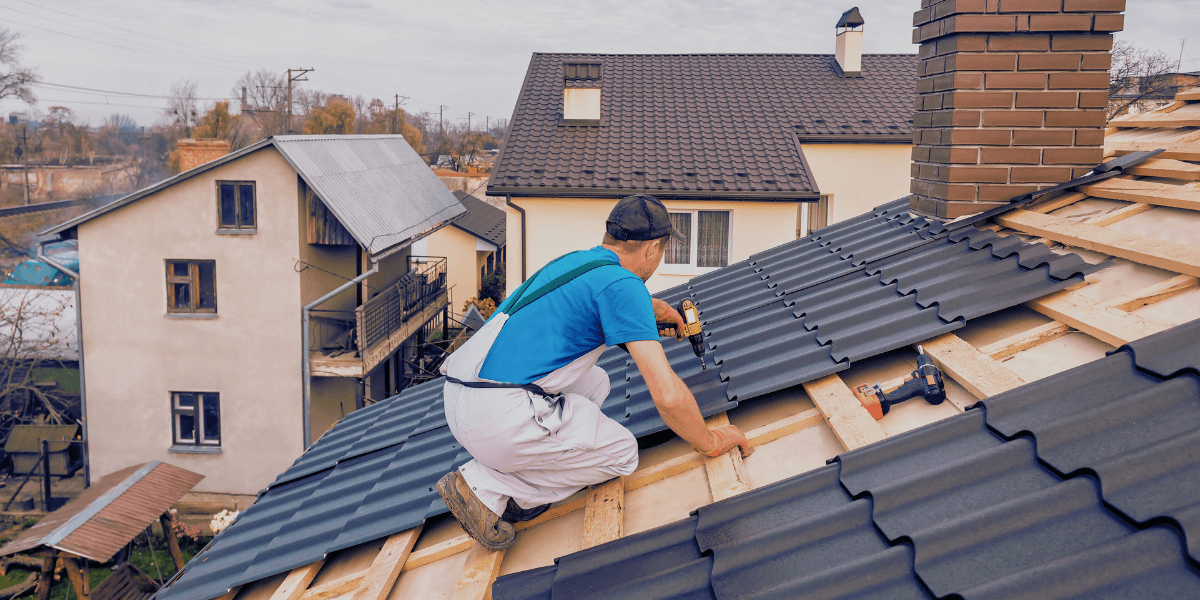
The Importance of Your Home’s RoofYour roof is more than just a structure—it’s the first line of defense against the elements, protecting your home and everything inside it. From keeping out rain and snow to insulating against heat and cold, a well-maintained roof ensures your home remains safe, energy-efficient, and comfortable. Despite its critical role, many homeowners overlook the importance of their roof until issues arise. Understanding how your roof works and maintaining it regularly can save you money and stress in the long run.Types of Roofs and Their Unique BenefitsWhen it comes to roofs, one size doesn’t fit all. Different roofing materials and styles offer unique benefits, and the best choice depends on factors like your location, budget, and aesthetic preferences. Asphalt shingles are the most common choice in residential roofing due to their affordability and durability. Metal roofs, while more expensive upfront, offer exceptional longevity and energy efficiency, making them ideal for homes in areas with extreme weather.Tile roofs provide a timeless look and are particularly suited for warmer climates, as they reflect sunlight and keep interiors cool. For a modern touch, flat or green roofs allow for additional functionality, such as creating outdoor spaces or reducing environmental impact. By selecting the right material and design, you can ensure your roof not only protects but enhances your home’s value and appearance.Warning Signs That Your Roof Needs AttentionEven the sturdiest roofs require maintenance and occasional repairs. Ignoring warning signs like missing shingles, water stains on ceilings, or sagging areas can lead to costly damage over time. Other indicators, such as granules in your gutters, cracked flashing, or light shining through the attic, may signal the need for immediate repairs or replacement. Regular inspections—especially after storms—can help catch problems early, extending the lifespan of your roof and protecting your home from more serious issues like leaks or structural damage.Tips for Maintaining and Prolonging Roof LifeCaring for your roof doesn’t have to be complicated, but consistency is key. Start with routine inspections twice a year—once in the spring and again in the fall. Clear debris like leaves and branches, as they can trap moisture and lead to rot. Ensure your gutters and downspouts are clean and functional, as clogged drainage can damage your roof’s integrity. For additional protection, consider installing a roof coating to guard against weather and UV damage.Hiring a professional roofing contractor for regular maintenance and repairs is always a good idea, especially for tasks like replacing shingles or fixing flashing. Investing in small fixes today can prevent larger, more expensive problems tomorrow. By prioritizing your roof’s care, you’ll not only protect your home but also increase its longevity and value.
Updated: November 20, 2024 | Laura Bennett
Decoding Roof Replacement Costs: What You Need to Know
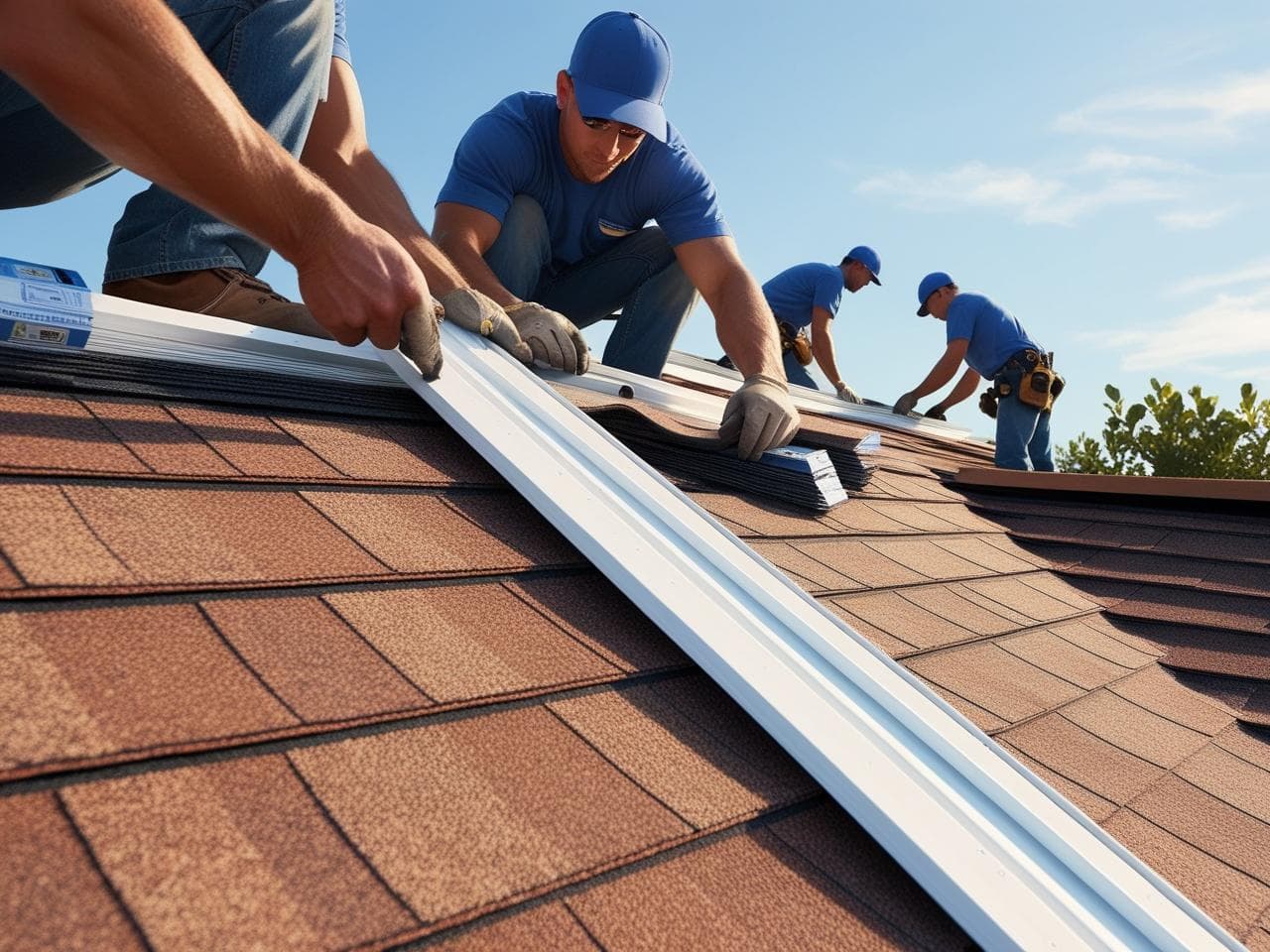
Summary: Replacing your roof is a significant investment. This article breaks down the factors influencing roof replacement costs, helping you budget wisely and avoid surprises.Introduction: The Roof Over Your Head, and Its Price TagReplacing a roof isn't just about slapping on new shingles; it's a complex project with varying costs. Several factors play a crucial role in determining the final price, from the materials used to the labor involved. Understanding these elements empowers homeowners to make informed decisions and avoid unexpected expenses. This article aims to demystify the process and provide a clear picture of what you can expect when budgeting for a new roof.Material Matters: From Asphalt to SlateThe type of roofing material you choose significantly impacts the overall cost. Asphalt shingles, the most common option, are generally the most affordable, while premium materials like slate or tile can drastically increase the price. Each material has its own lifespan, durability, and aesthetic appeal, so weighing these factors against your budget is essential. Don't forget to consider underlayment and other necessary components, which also contribute to the material cost.Labor Costs: The Human ElementInstallation labor is a substantial part of the total cost. Experienced and reputable contractors will charge more, but their expertise can save you money in the long run by ensuring a proper installation. Complex roof designs, like those with multiple gables or dormers, will also increase labor costs due to the added complexity. Getting multiple quotes from qualified contractors is crucial for comparing labor costs and ensuring you're getting a fair price.Hidden Costs: Beyond the SurfaceBeyond materials and labor, several hidden costs can impact your budget. These might include disposal fees for old roofing materials, permits required by your local municipality, and potential repairs to underlying structures like sheathing or rafters. It's wise to have a contingency fund for these unexpected expenses to avoid budget overruns. A thorough inspection by your contractor can help identify potential issues before the project begins.Location, Location, LocationWhere you live also plays a role in roofing costs. Labor rates and material prices can vary significantly between regions due to differences in the cost of living and local market conditions. Weather patterns in your area can also influence material choices and installation techniques, further impacting the price. For example, areas prone to heavy snowfall may require stronger roofing structures, increasing material and labor costs.Related Search Terms:Roof replacement cost calculatorAverage cost of roofing materialsHow to get multiple roofing quotesHidden costs of roof replacementFinancing options for roof replacement
Updated: February 16, 2025 | James Whitaker

Is Your Roof Crying Out for Help? 7 Signs You Need a New Roof
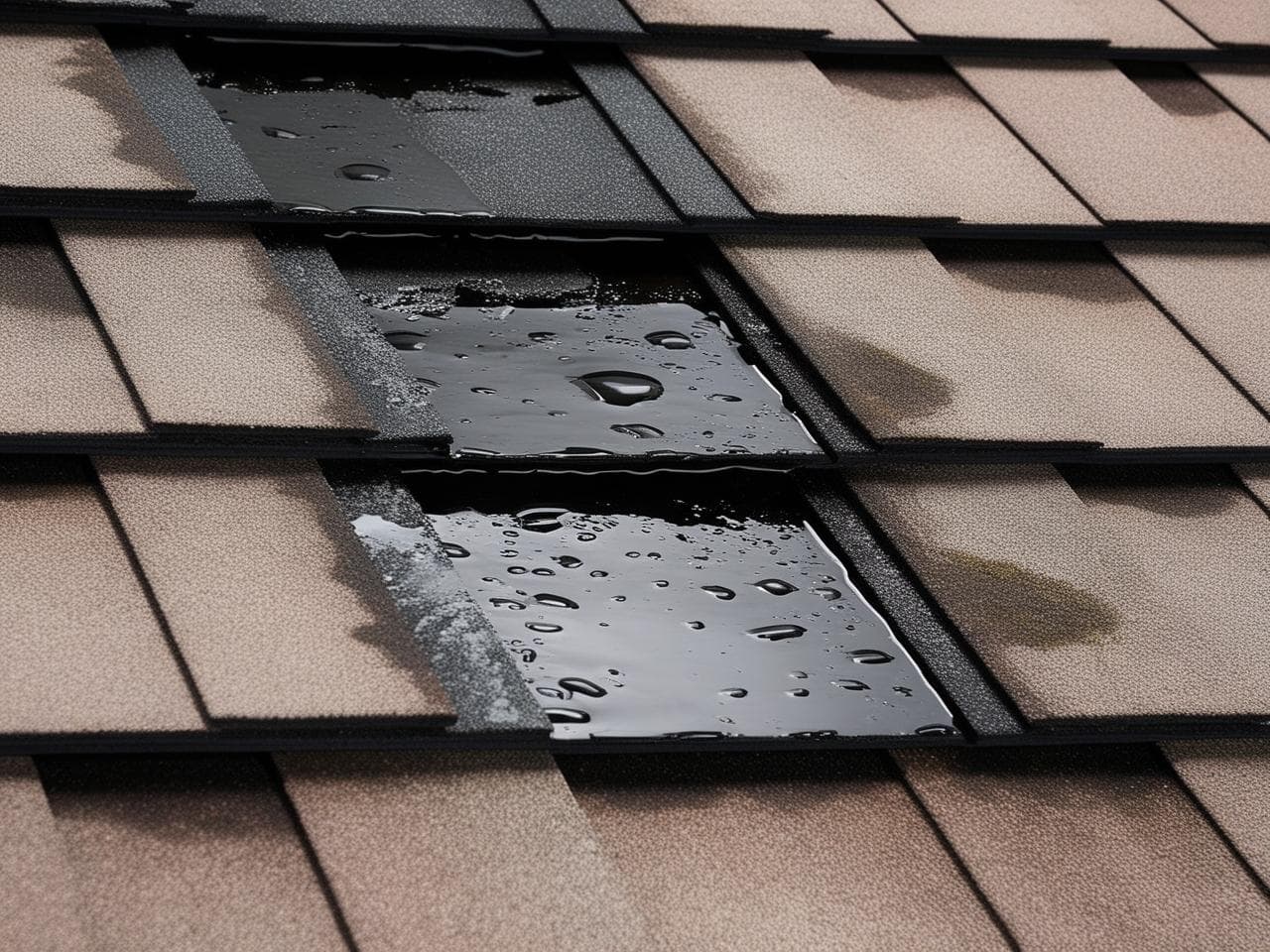
Summary: Don't wait for a leak to ruin your home. This article outlines seven clear signs that indicate it's time for a roof replacement.Introduction: The Silent ProtectorYour roof is your home's first line of defense against the elements. But like any protective barrier, it can wear down over time. Ignoring the signs of a failing roof can lead to costly repairs and even structural damage. This article highlights seven key indicators that your roof may need replacing, helping you avoid further problems and protect your investment.Granule Loss: A Sign of Wear and TearAsphalt shingles are coated with granules that protect them from UV rays and add to their durability. Significant granule loss, often visible in your gutters or on the ground, indicates that your shingles are nearing the end of their lifespan. This loss exposes the underlying shingle material, making it more vulnerable to damage.Curling or Buckling Shingles: A Visual ClueShingles that are curling, buckling, or lifting are a clear sign of roof problems. This can be caused by age, weather damage, or improper installation. Damaged shingles are more susceptible to leaks and can allow water to penetrate your home.Missing Shingles: A Gap in Your DefensesMissing shingles create gaps in your roof's protective layer, leaving your home exposed to the elements. This can lead to water damage, rot, and mold growth. Replacing missing shingles promptly is essential, but if the damage is widespread, a full roof replacement may be necessary.Leaks and Water Damage: The Obvious CulpritLeaks are the most obvious sign of a failing roof. Water stains on your ceilings or walls, damp insulation, or a musty odor can indicate a leak. Addressing leaks quickly is crucial to prevent further damage to your home's structure and belongings.Sagging Roof: A Structural ConcernA sagging roofline is a serious structural issue that requires immediate attention. This can be caused by damaged rafters, sheathing, or other structural components. Ignoring a sagging roof can lead to a roof collapse, posing a significant safety risk.Moss or Algae Growth: A Moisture ProblemWhile not always a sign of roof failure, excessive moss or algae growth can indicate a moisture problem. This growth can trap moisture against the shingles, leading to premature deterioration. Addressing the underlying moisture issue and cleaning the roof can help prolong its lifespan.Age: The Telltale SignEven if your roof shows no visible signs of damage, its age can be a significant factor. Most roofing materials have a limited lifespan, typically ranging from 20 to 30 years for asphalt shingles. If your roof is approaching or exceeding its expected lifespan, it's wise to consider a replacement, even if it appears to be in good condition.Related Search Terms:How to inspect your roof for damageSigns of roof leaksRoof maintenance tipsAverage lifespan of roofing materialsFinding a qualified roofing contractor
Updated: February 16, 2025 | James Whitaker

House Roof: an Essential Shield for Your Home
Updated: November 20, 2024 | Laura Bennett

Decoding Roof Replacement Costs: What You Need to Know
Updated: February 16, 2025 | James Whitaker
Is Your Roof Crying Out for Help? 7 Signs You Need a New Roof
Updated: February 16, 2025 | James Whitaker
Read More | All Articles
-NRn5h3KpkwFhk3rdmqCGNdU4454WoO.jpg&w=3840&q=75)
Choosing the Best Roofing Materials for Your Home
Updated: February 16, 2025 | James Whitaker

Energy-Efficient Roofing: Saving Money and the Planet
Updated: February 16, 2025 | James Whitaker
-mc2l8YkluXHrARFpF50XqzBfhWI8Ly.jpg&w=3840&q=75)
DIY vs. Professional Roof Repair: When to Call the Experts
Updated: February 12, 2025 | David Harper