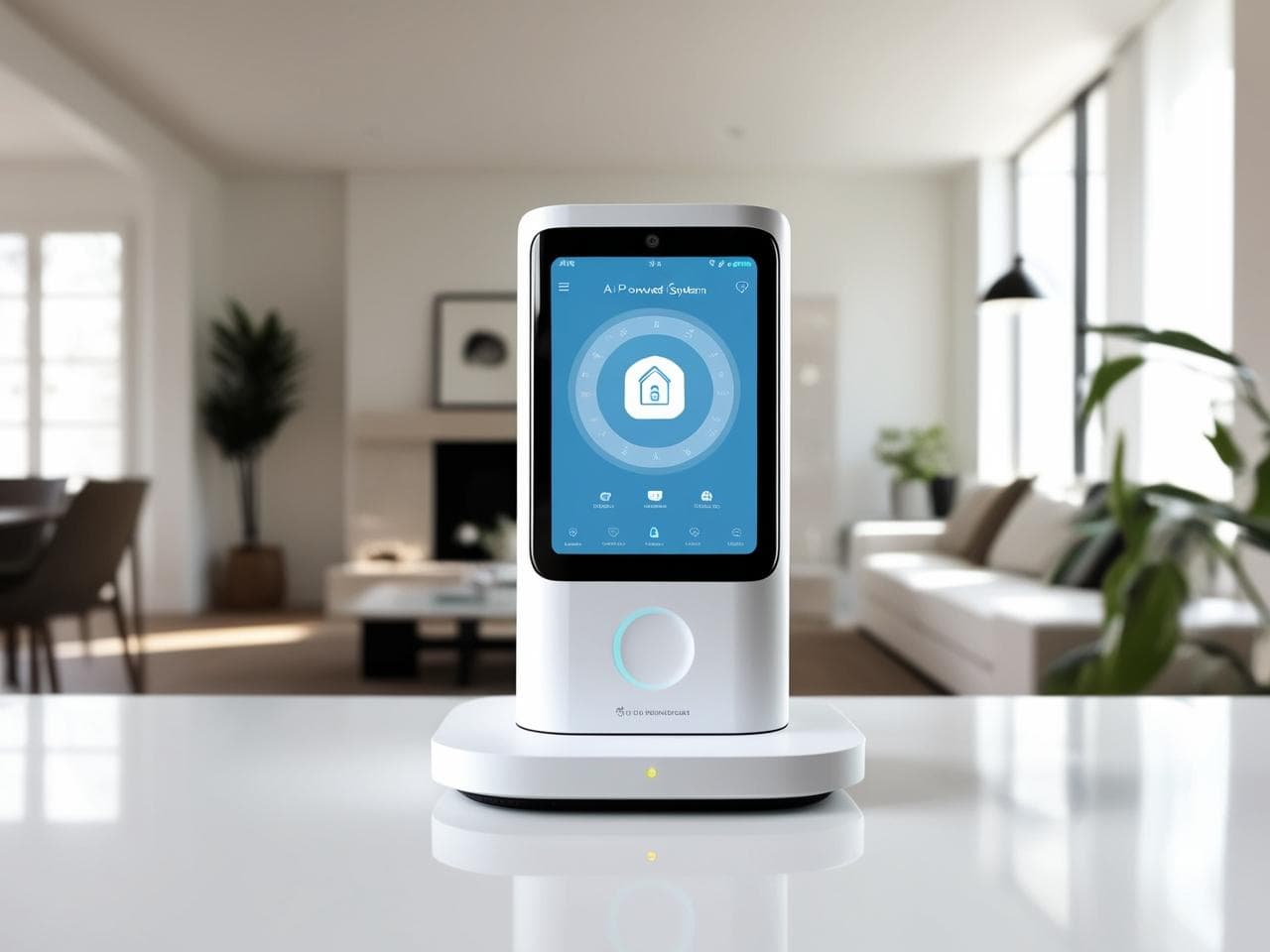
1. Voice Assistants: The Heart of Smart HomesVirtual assistants like Alexa, Google Assistant, and Siri allow homeowners to control lighting, temperature, and security with simple voice commands. As AI improves, these assistants are becoming more intuitive, learning preferences and routines to create a seamless smart home experience.
2. Energy Efficiency with Smart Appliances
Smart thermostats, automated lighting, and energy monitors help reduce electricity consumption. Devices can adjust settings based on usage patterns, preventing waste and lowering energy bills. Some smart homes even integrate with solar panels, maximizing energy savings.
3. Advanced Home Security and Automation
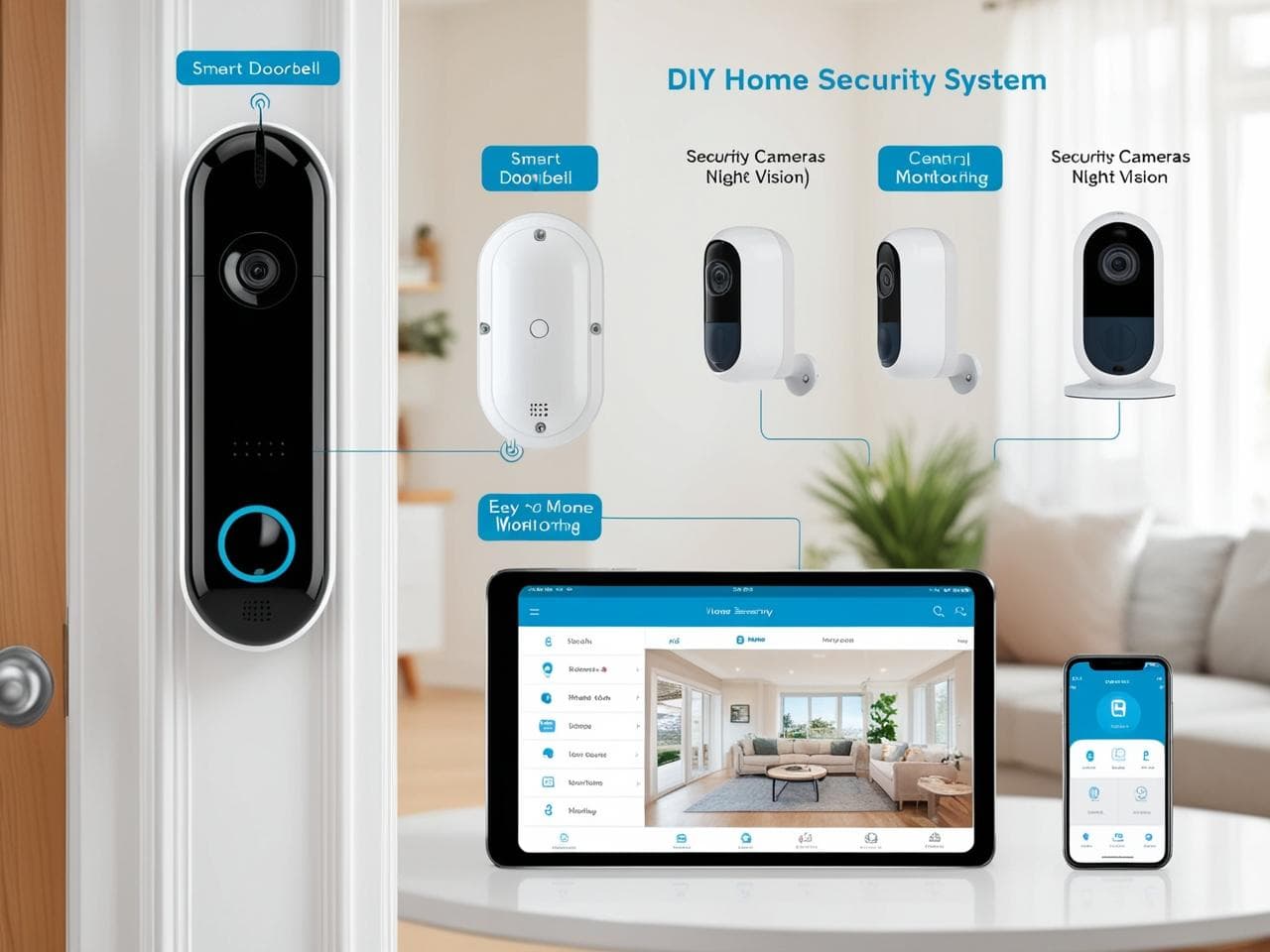
Smart security systems combine AI cameras, motion sensors, and automated alarms. Homeowners can lock doors, turn on lights, and monitor cameras remotely, ensuring their homes remain secure even when they’re away. This level of control provides peace of mind and improved safety.
4. Aging in Place: Smart Tech for Seniors
Smart home devices assist elderly individuals by providing medication reminders, fall detection, and remote monitoring. Voice-activated systems allow seniors to control appliances without needing to move around, improving safety and independence in their own homes.
5. The Challenges of a Fully Automated Home
Despite its advantages, smart home technology raises concerns about data privacy, security risks, and device compatibility. As homes become more connected, homeowners must take precautions against hacking and ensure their systems are properly secured.
Related Search Terms: